Understanding Daily Food Awareness
An educational resource exploring practices for observing food choices in everyday life
Learn moreIntroduction to Food Awareness Habits
Food awareness refers to the practice of observing and understanding the patterns and choices we make regarding what we eat daily. This educational resource explores various aspects of how individuals can develop greater consciousness about their eating habits.
The concept involves paying attention to the types of foods consumed, the timing of meals, and the circumstances surrounding eating occasions. This practice is rooted in the broader field of mindfulness and self-observation.
Throughout this resource, we present information about different approaches people use to track and reflect on their food choices, purely for educational purposes.


Observing Daily Eating Patterns
Daily eating patterns vary widely among individuals based on numerous factors including lifestyle, cultural background, and personal preferences. Observing these patterns can provide insight into habitual behaviours.
Common approaches to observation include keeping food journals, noting meal times, and reflecting on food variety. These methods are used in educational and research contexts to understand eating behaviours.
Research in nutritional science often examines how people make food choices throughout the day, from breakfast selections to evening meals and snacks in between.
Examples of Mindful Food Observation
Morning Food Choices
The morning period often sets the tone for daily eating patterns. Individuals may observe what foods they gravitate towards at the start of the day, whether they prefer light or substantial meals, and how timing affects their choices.
Midday Observations
Lunch time presents opportunities to notice how environmental factors like workplace settings or social situations influence food selections. People may observe patterns in their midday eating habits.
Evening Reflections
Evening meals and snacks provide a time to reflect on the day's food choices. Some individuals use this time to note what they consumed and consider the variety and balance of their daily intake.

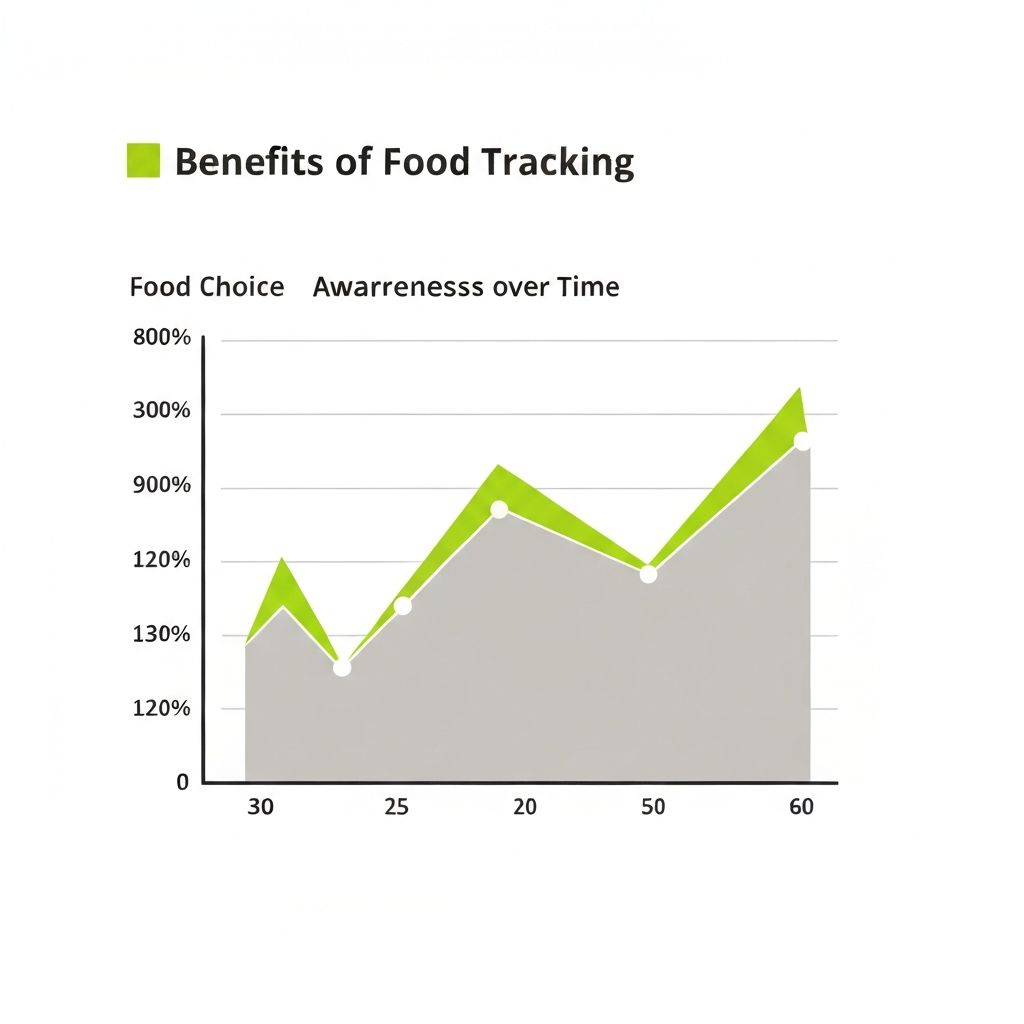
Benefits of Tracking and Reflecting on Food Choices
Educational literature suggests that tracking food intake can increase awareness of eating habits. This practice is used in various educational and research settings to help individuals understand their dietary patterns.
Reflection on food choices may lead to greater consciousness about meal planning and food selection. Many people find that simply observing their habits, without judgement, provides valuable insights.
It is important to note that food tracking is a personal practice and its usefulness varies among individuals. This information is presented for educational purposes only and does not constitute advice.
Educational Articles on Food Awareness

Morning Food Awareness Practices
Exploring how individuals observe their food choices during morning hours and the patterns that emerge in breakfast habits.
Read in detail
Afternoon Food Awareness Practices
Understanding midday eating patterns and how environmental factors influence food selection during afternoon hours.
Read in detail
Evening Food Awareness Practices
Examining evening meal patterns and the practice of reflecting on daily food choices as the day concludes.
Read in detailFrequently Asked Questions
What is food awareness?
Food awareness is the practice of observing and understanding patterns in food choices and eating habits. It involves paying attention to what, when, and how we eat, purely as an observational practice.
Is this website providing dietary advice?
No. This website is an educational resource that explains concepts related to food awareness. It does not provide personalised dietary advice, medical guidance, or recommendations.
Who can benefit from learning about food awareness?
Anyone interested in understanding more about eating habits and food choice patterns may find this educational content useful. However, the information is general in nature and not tailored to individual circumstances.
Does food awareness replace professional guidance?
No. Learning about food awareness is an educational pursuit and does not replace consultation with qualified healthcare professionals, nutritionists, or dietitians for personalised guidance.
Limitations and Context
The information presented on this website is for educational purposes only. It describes general concepts related to food awareness and eating observation practices.
This content does not constitute medical, nutritional, or therapeutic advice. Individual circumstances vary greatly, and approaches to food and eating are highly personal.
For personalised guidance regarding diet, nutrition, or health matters, consult qualified healthcare professionals. The practices described here are informational and do not guarantee any specific outcomes.
Food awareness is one of many approaches people use to understand their eating habits, and its applicability varies among individuals.